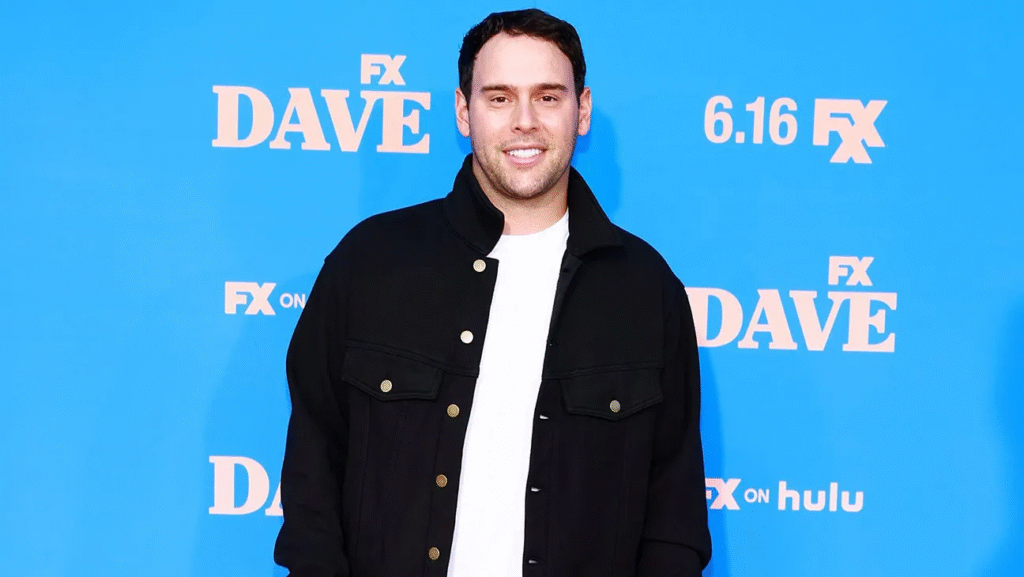
Scooter Braun
In a recent episode of The Diary of a CEO, Braun opened up about his reflections on the repercussions of fame on the young talents he once managed. “I think that when we worship human beings, it changes something within us, it messes us up a little bit,” Braun admitted, offering a glimpse into his evolving understanding of the entertainment industry’s demands.
Braun, a pivotal figure in launching the careers of global icons like Ariana Grande and Justin Bieber, is no stranger to the pressures that come with the limelight. Having started to manage Bieber at just 13 and Grande at approximately 20, Braun confessed, “At this age, I feel a lot of guilt because I worked with so many young artists. I hadn’t taken the time to look at myself or do the therapy myself until I was older, so I didn’t understand at 25, 27, 30 years old that they were coming from very unique backgrounds of their own stuff with their own families and their own childhood growing up this way and being seen by the whole world and being judged by the whole world at a very young age.”
These revelations come against the backdrop of his tumultuous professional history, including his acquisition of Big Machine Records in 2019, a deal that inadvertently embroiled him in a publicized conflict with Taylor Swift over the control of her master recordings. Reflecting on this, Braun stated, “When I bought Big Machine, I thought I was going to work with all the artists on Big Machine. I thought it was going to be like an exciting thing.”
Despite a prior amicable interaction with Swift, Braun found himself at the center of her ire, which she publicly expressed through a viral Tumblr post, branding his control of her catalog as her “worst case scenario” due to “incessant, manipulative bullying I’ve received at his hands for years.” “I was just like shocked,” Braun recalled, underscoring his surprise and the intensity of the situation.
As the CEO of Hybe, Braun emphasized the broader implications of idol worship in entertainment, highlighting the intrinsic conflict between human nature and celebrity status. “I think human beings are not made to be worshiped. I think we’re made to serve, and I think that when we worship human beings, it changes something within us, it messes us up a little bit,” Braun asserted. He recognized today’s healthier relationships and ongoing personal journeys of the artists once under his wing as testaments to their resilience and strength.
The Swift-Braun saga took another turn when Swift strategically regained her catalog by re-recording her initial albums, showing her indomitable spirit in reclaiming artistic agency. Braun acknowledged, despite the conflict, that such experiences are learning opportunities, facilitating empathy and offering insights into the relentless scrutiny his former clients endure daily.
As Braun’s narrative unfolds, it reflects a deeper understanding of the intricate dance between fame and youth, the lessons learned from past decisions, and the personal growth borne from introspection.