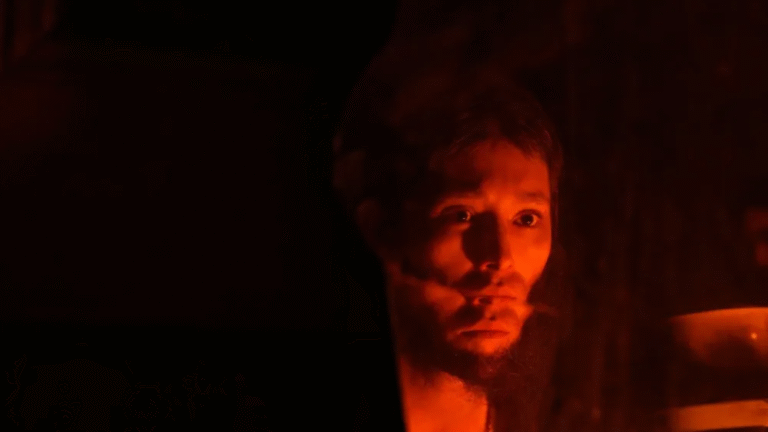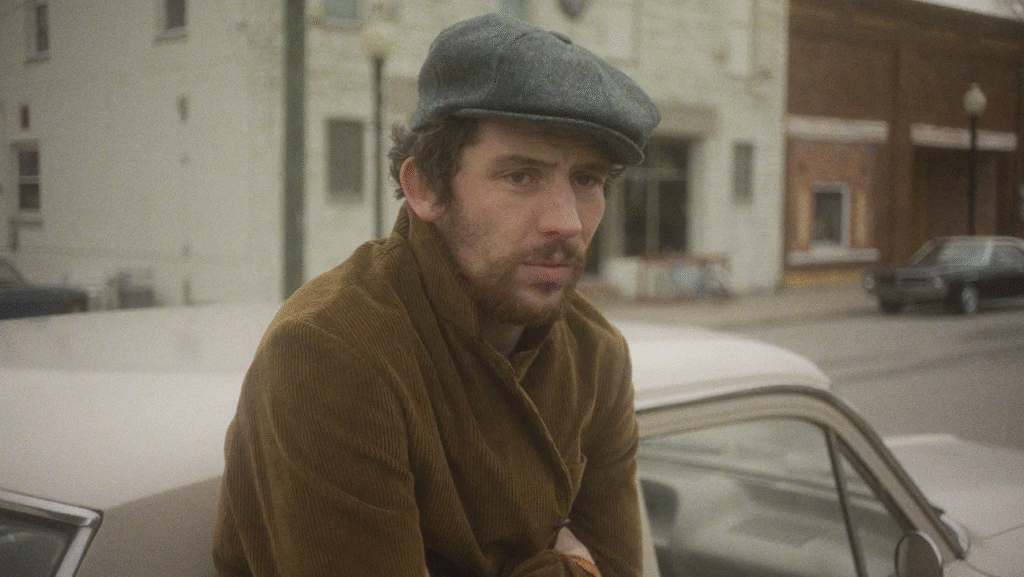
Josh O'Connor in 'The Mastermind.'
Josh O’Connor steps into the spotlight as a clumsy art thief in The Mastermind, a 1970s-set thriller from acclaimed filmmaker Kelly Reichardt, premiering this Friday in competition at Cannes. Known for films like First Cow and Showing Up, Reichardt returns with a character-driven drama that veers away from flashy heists to examine the emotional wreckage that follows.
The Mastermind focuses not on the crime itself, but on what happens after. O’Connor plays James Blaine “J.B.” Mooney, a struggling art-school dropout who hatches a poorly conceived plan to steal paintings from a small museum with little security. Instead of aiming big—no Rembrandts or Picassos—he targets works by Arthur Dove, a lesser-known but emotionally resonant American modernist.
Inspired by the real-life 1972 Worcester Art Museum heist, the story quickly shifts its lens. The theft happens early in the film, setting off a chain reaction that fractures Mooney’s life, his marriage to Terri (played by Alana Haim), and his relationship with his upper-crust New England parents (Bill Camp and Hope Davis). As Reichardt puts it: “It’s an aftermath film, an unraveling film.”
Filmed primarily in Ohio and Indiana, the production used the Cleo Rogers Memorial Library in Columbus as a stand-in for the museum. Set in Framingham, Massachusetts, the film channels rich 70s aesthetics, complemented by a haunting jazz score from Rob Mazurek and Chad Taylor of the Chicago Underground.
Ahead of the Cannes premiere, Reichardt spoke with The Hollywood Reporter about her personal connection to the era and her approach to flipping the heist genre on its head.
“Heists are just fascinating,” she said. It was an article commemorating the 50th anniversary of the Worcester museum robbery that first sparked the idea. And although Reichardt comes from a family of law enforcement—her father was a detective, her mother worked in narcotics, and her stepfather was with the FBI—she insists the story is pure fiction.
Still, the emotional atmosphere of the 70s looms large. “Mooney is that traditional, flawed dreamer,” Reichardt explains. “Someone grasping for meaning and independence, much like people today. That parallel—the isolation and existential searching—is what really drew me in.”
To bring the time period to life, Reichardt immersed the cast in the culture. She curated 70s AM radio playlists, handed out Joan Didion essays, and had the cast view a documentary by Jeff Kreines to absorb the tone of the decade.
Music plays a pivotal role in this film, more so than in Reichardt’s past work. “We leaned into the jazz of the era—Coltrane, Sun Ra—and had Rob and Chad build original pieces around that energy.”
Echoes of Reichardt’s 2013 film Night Moves are unmistakable. “The structure is similar,” she admitted. “The ‘heist’ comes early. What matters is everything that happens after.” Initially, she feared audiences might miss the genre beats—but music, and the emotional arcs, stitched it all together.
The Mastermind also explores a key philosophical question: Can you live outside the influence of politics and society? Reichardt is clear in her stance—“Not really. That’s a luxury, a privilege.” She sees the 70s as a pivotal moment of disillusionment that’s echoed in today’s era of fractured trust in institutions.
Josh O’Connor will join Reichardt and the cast at the Cannes red carpet, fresh off another project. Anticipation is high for this introspective take on the heist genre—a film less about stealing art and more about losing everything else in the process.