Marcel Ophuls
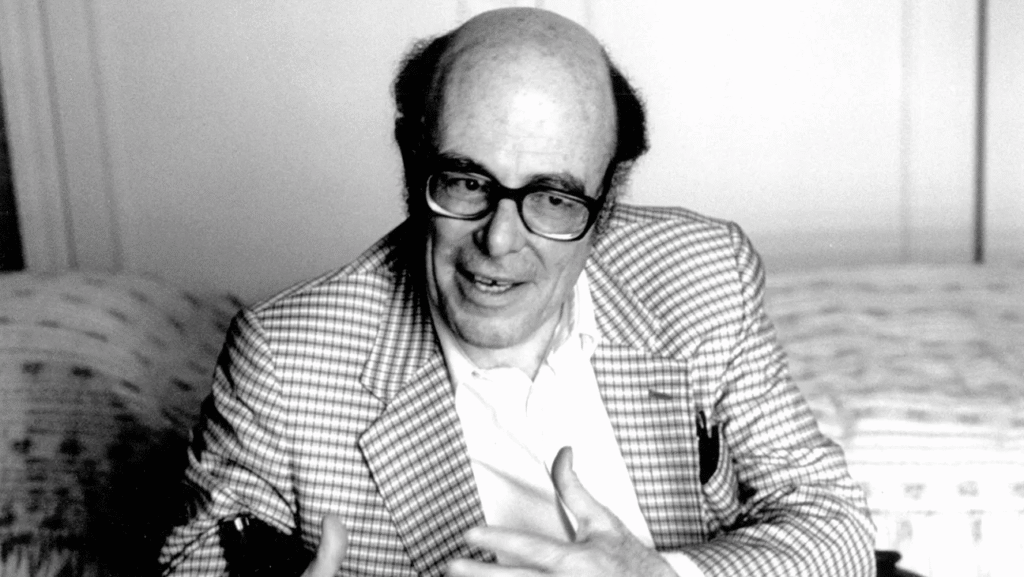
Marcel Ophuls, the German-born French director renowned for his uncompromising documentaries on war, morality, and historical memory, has died peacefully at his home in southern France at the age of 97, his grandson Andreas-Benjamin Seyfert confirmed to The Hollywood Reporter.
A towering figure in political cinema, Ophuls left behind a legacy of incisive, unflinching works—most notably Hotel Terminus: The Life and Times of Klaus Barbie (1988), which won him the Academy Award for Best Documentary Feature. The nearly 4.5-hour film traced the rise and eventual capture of Klaus Barbie, the Nazi war criminal known as the “Butcher of Lyon,” who was extradited from Bolivia and convicted in France in 1987.
But Ophuls’ most enduring achievement remains The Sorrow and the Pity (1969), a bold and controversial exploration of France’s Nazi occupation. Set in the town of Clermont-Ferrand, the four-hour documentary dismantled myths of widespread French resistance by showcasing a far more complex tapestry: collaboration, survival, quiet opposition, and collective silence.
“Many people in France still think it gives a distorted image of the Resistance,” Ophuls told The New York Times in a 2000 interview. “But the film never claimed that France was full of traitors. It simply told the story no one wanted to admit.”
Featuring interviews with former Resistance fighters, Nazi collaborators, local townspeople, and even German officers, the film sparked such national discomfort that it was banned from French television for over a decade after its release.
Ophuls’ signature style combined relentless inquiry with a wry, personal touch—often narrating his own work and appearing on screen with an air of gentle yet persistent interrogation. His method was to ask the difficult questions—and wait, patiently, for the truths that followed.
Born in Frankfurt in 1927, Marcel was the son of acclaimed German filmmaker Max Ophuls. The family fled the Nazi regime in the 1930s, eventually settling in the United States. Marcel later returned to Europe and became a French citizen, forging a distinct path from his father by trading narrative cinema for investigative nonfiction.
Other notable works include The Memory of Justice (1976), a sobering comparison of the Nuremberg Trials to the atrocities of the Vietnam War, and Veillées d’armes (The Troubles We’ve Seen, 1994), a meditation on media, ethics, and war correspondence during the conflict in Sarajevo.
Though famously skeptical of institutions, Ophuls was widely honored throughout his career, receiving awards at Cannes, Berlin, and from the Academy. In 2012, he released a reflective swan song: Ain’t Misbehavin’, a film as much about his career as it was a final word on memory, truth, and mischief.
“The first obligation of the documentary filmmaker is to remember what everyone else wants to forget,” he once said.
Marcel Ophuls is survived by his family, his legacy, and a cinematic canon that never stopped questioning the world—and demanding that it answer.