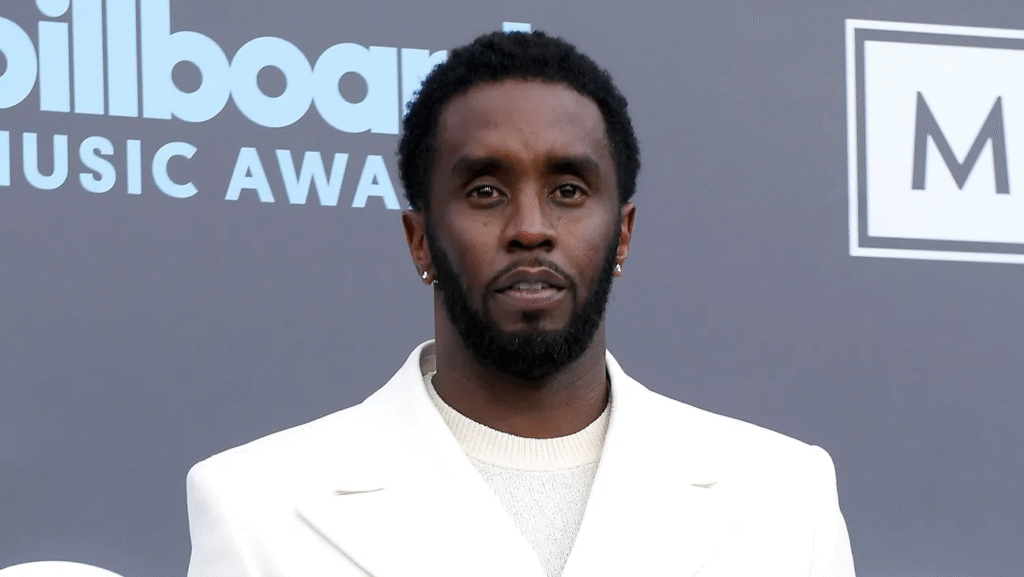
Sean "Diddy" Combs
A whirlwind of courtroom drama erupted as a federal judge swiftly rejected a defense request for a mistrial during the high-profile sex trafficking trial of music mogul Sean “Diddy” Combs. On Wednesday, defense attorneys stunned the Manhattan courtroom by claiming the prosecution had subtly implied Combs interfered with an investigation into a mysterious car explosion involving rapper Kid Cudi.
While mistrial motions are not uncommon in complex federal cases filled with dense evidence and a stream of witnesses, this marked the first such motion in Combs’ trial, now entering its intense third week. Combs, visibly engaged in his defense, spent much of the proceedings communicating with his legal team through written notes and whispered strategy sessions during cross-examinations.
Attempting to protect the trial’s integrity, Judge Arun Subramanian promptly instructed the jury to disregard any mention of the destruction of fingerprint cards tied to the blast. The incident, which saw Kid Cudi’s Porsche destroyed by fire, allegedly stemmed from Combs’ anger after learning of Cudi’s past relationship with Cassie — Combs’ former partner of 11 years.
Among the most shocking moments in court was the description of the incendiary device used in the attack. According to arson expert Lance Jimenez of the Los Angeles Fire Department, the Molotov cocktail was fashioned from a 40-ounce Old English 800 malt liquor bottle, complete with a decorative handkerchief serving as its fuse.
The defense’s mistrial motion came after Jimenez testified that crucial fingerprint cards recovered from the charred vehicle were destroyed in August 2012, eight months after the incident — a decision that veered from typical LAPD protocol and raised serious questions about the integrity of the investigation.
Now 55, Combs maintains his innocence against accusations that he led a violent racketeering enterprise spanning two decades. If convicted, he could face 15 years to life in prison.
Testimonies from Cassie and other witnesses have painted a chilling picture of alleged long-term abuse, manipulation, and coercion at the hands of Combs. Their stories have added emotional weight to a case already gripping the public’s attention.
During an unscheduled break, defense attorney Alexandra Shapiro vigorously argued that prosecutors had committed misconduct. She cited biased jury selection tactics and inappropriate questioning that, in her view, unfairly positioned Combs as someone capable of manipulating the justice system. “There’s no way to un-ring this bell,” she said, urging the court to acknowledge the prejudice introduced into the trial.
Fellow defense lawyer Marc Agnifilo echoed the concern, labeling the prosecution’s behavior “outrageous” and condemning any insinuation that Combs had destroyed key evidence.
However, Assistant U.S. Attorney Christy Slavik stood firm, calling the motion for mistrial “absolutely unwarranted.” She defended the inclusion of fingerprint testimony, arguing it addressed the defense’s assertion of a flawed investigation into the crime scene.
As the trial continues, all eyes remain on the Manhattan courtroom where the fate of one of music’s most iconic figures now hangs in the balance.