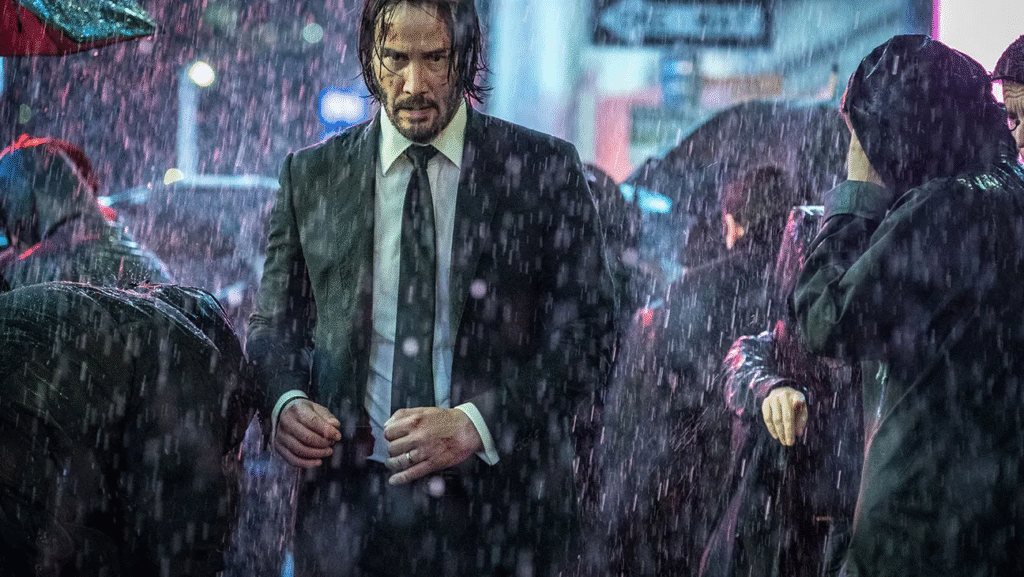
John Wick Chapter 3 – Parabellum
In an unreserved interview, Chad Stahelski, the visionary director behind the $1 billion ‘John Wick’ franchise, opens up about navigating studio struggles, shaping the action genre, and expanding the ‘Wick’ universe. From the upcoming spinoff ‘Ballerina’ to the highly anticipated ‘John Wick 5’ and fan-favorite character ‘Caine,’ Stahelski speaks candidly about what has worked, what hasn’t, and what lies ahead. Despite the death of the titular hero in ‘John Wick: Chapter 4,’ Stahelski and Lionsgate are faced with the challenge of maintaining momentum without compromising the integrity of the story.
Stahelski’s journey in action-packed cinema is deeply rooted, having ascended from a stuntman to a celebrated director recognized for his innovative ‘gun fu’ style. Reflecting on the complexities of managing the franchise, he admits, “I don’t know the answer. We seem to be doing something right, yet with every [movie], there is a bit of an argument.” He reveals the delicate balancing act of preserving creative control while working within the confines of studio dynamics, sometimes resorting to unconventional methods to get the job done.
In the documentary ‘Wick is Pain,’ co-director David Leitch critiques Stahelski’s method of deconstructing traditional narrative structures, calling it “a lot of juice by blowing things up and putting them back together again.” Stahelski embraces this critique, acknowledging, “My process is fucked. It’s so not linear.” He outright rejects the conventional scripting approaches that he believes limit creativity.
Reflecting on the monumental success that propelled ‘John Wick’ to the $1 billion mark, Stahelski credits the film’s authenticity: “We tried to be an audience member and not chase the dollar.” He highlights the numerous influences that shaped the genre, from 70s action films to Chinese wuxia and Japanese Chambara, cementing John Wick as a global cinematic tribute.
Stahelski recalls the skepticism from studios surrounding the original film’s raw elements, such as the fate of John’s dog and the villain’s execution. “After the movie is a hit, does anybody say, ‘We were wrong about literally all those things’? That happened once,” Stahelski recalls with a hint of amusement. He draws valuable lessons from these experiences but emphasizes the importance of trusting his artistic instincts.
Though not as deeply involved in ‘The Continental’ TV series, Stahelski reflects on its shortcomings, stressing the fine line necessary to replicate the magic of the ‘Wick’ universe. Without the signature blend of essential contributions from team members like Basil Iwanyk and Keanu Reeves, he argues, the series struggled to capture the same distinctive energy that defines the franchise.
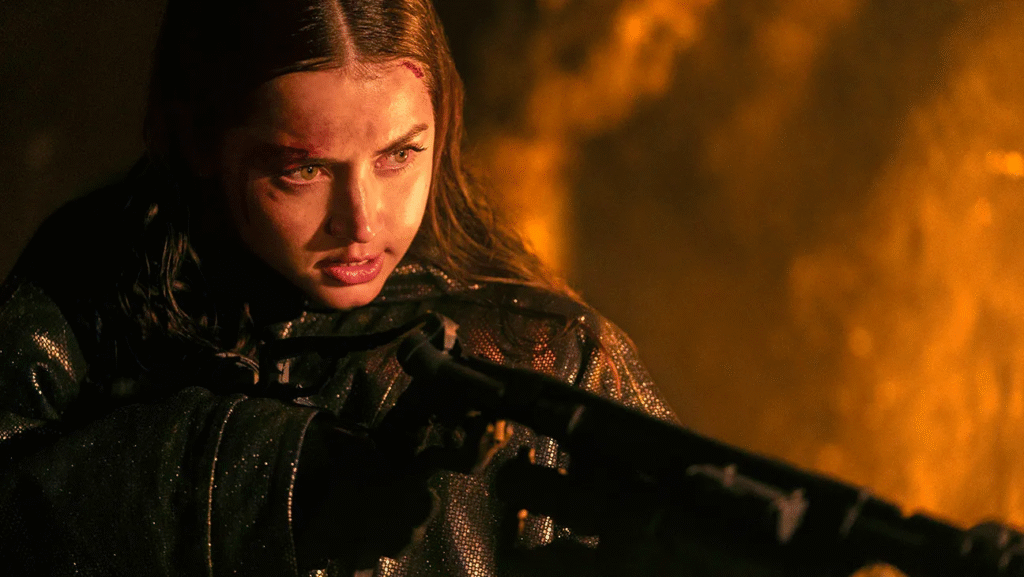
In discussing the themes explored in ‘Ballerina,’ which has been praised in early reviews, Stahelski contemplates the future of the John Wick character. He delves into the potential for further expansions and spinoffs while pondering how to keep the storyline intact: “We’re actively working on it. It’s just… is it going to be satisfying?”
For Stahelski, ‘John Wick’ is more than just groundbreaking action; it’s an intricate fusion of character, narrative, and choreography, maintaining its edge even as the cinematic landscape evolves. Despite the challenges that come with each new installment, Stahelski remains devoted to innovation, continuously redefining the action genre while honoring the franchise’s deep legacy. With ‘John Wick 5’ potentially on the horizon, Stahelski’s dedication ensures that the John Wick legend will continue to captivate audiences worldwide.