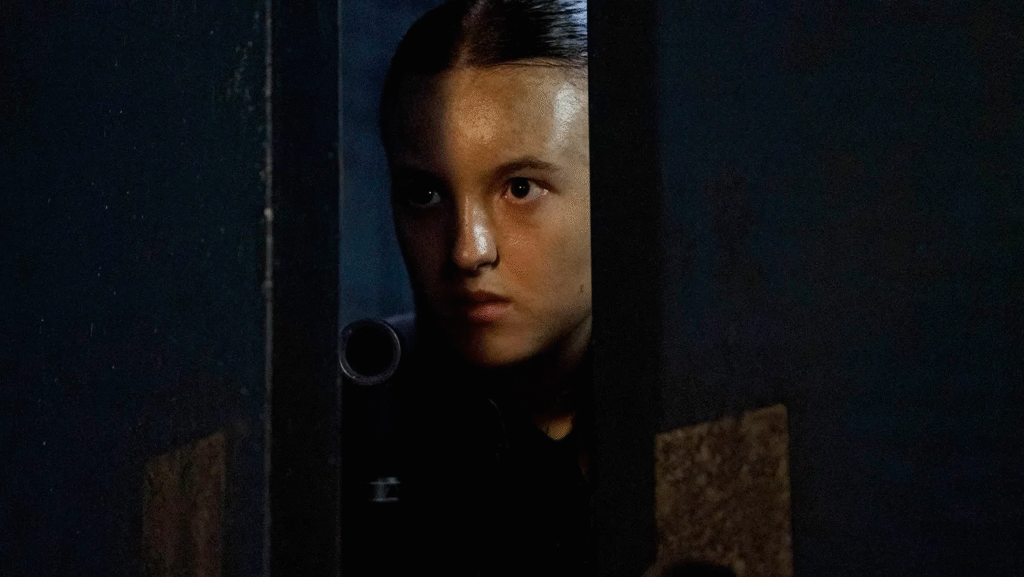
Bella Ramsey in The Last of Us Liane Hentscher/HBO
The final shocking moments of season two of The Last of Us left fans breathless, with an unexpected gunshot and a cryptic message: “Seattle Day One.” But what does it truly signify?
Co-creators Craig Mazin and Neil Druckmann sat down with The Hollywood Reporter to unravel the mysteries surrounding this intense finale and what it may mean for future episodes.
The burning question emerged early: did Ellie (portrayed by Bella Ramsey) meet her end at the hands of Abby (played by Kaitlyn Dever)? A haunting declaration of “I let you live — and you wasted it!” left everyone on edge. Yet, Mazin reassures fans, stating definitively that Ellie’s story is far from over.
This series has stayed remarkably true to its PlayStation roots, with Ellie surviving this deadly confrontation in the game and continuing to be a pivotal character in the ongoing narrative.
As viewers grapple with these revelations, the finale hinting at Abby’s awakening and a “Seattle Day One” title card implies an impending shift. Though the creators shied away from providing a concrete confirmation during interviews, there’s speculation that if the series continues to mirror the game’s trajectory, the spotlight may soon turn to Abby’s perspective, further intertwining their fates.
This narrative tactic is not merely a clever twist but an integral theme of the show itself. Mazin elaborates, “I don’t think television is supposed to work like this. We’re breaking rules because that’s the point.”
This conviction aims to dismantle traditional notions of protagonists and antagonists, challenging our perceptions and inviting viewers to see the grey areas within each character. As Mazin poignantly puts it, “Abby is the hero of her story.”
The season’s closing also delivered a gut-wrenching moment with the death of Jesse (Young Mazino), shot by Abby. This tragic event leaves a haunting question hanging for Dina, Jesse’s lover: who bears the blame?
Then there was the horrific and unique from-game portrayal of Mel’s (Ariela Barer) death. The creators took a darker route, dialing up the tension as Mel, a doctor, faces her demise while attempting to save her unborn child, framing it within their relentless narrative of parental sacrifice.
The discussion then touched on whether Ellie might have killed Abby if given the chance under different circumstances. Mazin, without hesitation, responds affirmatively, affirming that in her pursuit, Ellie lacks restraint, her vengeance driving her actions.
The team faced narrative decisions near the season’s end: should they intertwine the stories of Ellie and Abby, or lean into switching perspectives, which they ultimately chose, staying true to the essence of the story’s construction.
The aftermath of the nail-biting finale, which saw the tragic exit of Joel (Pedro Pascal), provokes dialogue on embracing risk, essential in keeping the series exciting and unpredictable.
But it raises a crucial question: could Joel return in season three? Mazin tantalizingly leaves the door open for potential flashbacks exploring Joel’s darker days with his brother Tommy, hinting that new layers of their characters might be unearthed.
As conversation drifts to the potential of future storylines, Druckmann assures fans of the epic scope awaiting in the next installment, against the backdrop of familiar tale threads involving Joel and Ellie.
And with anticipation building, Mazin keeps hope alive, reassuring the audience that the faces they’ve grown attached to — including Kaitlyn Dever and Bella Ramsey — along with many more, might resurface in unforeseen ways.