Sebastian.
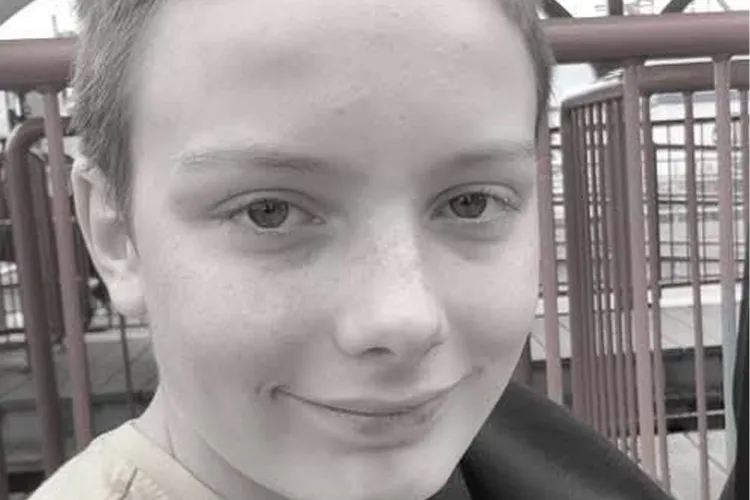
In Castleford, England, the loss of a 12-year-old boy named Sebastian on June 27, 2025, has sparked a profound call for awareness among parents and children alike. A GoFundMe page, initiated by a close acquaintance, claims that Sebastian’s premature death resulted from a perilous social media trend, the ‘blackout challenge,’ which dangerously involves self-asphyxiation. ‘What happened is a tragedy beyond words. No parent should ever have to bury their child. No one should ever endure such heartbreak,’ expressed the fundraiser’s organizer.
According to West Yorkshire Police, they received a distress call from ambulance services reporting concerns for a child’s safety at 6:06 p.m. at an address in Manor Grove. Despite being rushed to the hospital, Sebastian was pronounced dead. The police are conducting inquiries on behalf of the West Yorkshire Coroner to ascertain the exact circumstances, assuring that the incident is not considered suspicious.
In a heartfelt GoFundMe post, the organizer Agnieszka Czerniejewska highlighted the lethal danger of the ‘blackout challenge,’ lamenting how it irrevocably altered Sebastian’s family’s world. The unfortunate incident has drawn attention to this challenge’s fatal risks, where self-choking leads to oxygen deprivation in the brain, potentially causing brain damage or death. Reports from The Independent noted at least 20 deaths linked to this challenge within just 18 months, primarily among children aged 12 or younger.
Remembered for his vibrant spirit, Sebastian was described as having immense talent and creativity, with a deep love for music and art. The GoFundMe mentions, ‘Sebastian was only 12 years old. A boy full of dreams, passion, and incredible talent. He taught himself to play the guitar and keyboard, and he loved to draw. Always smiling, kind, and full of joy — everyone who met him was touched by his gentle spirit.’ His parents, described as deeply caring, sought to offer him a happy and secure childhood. ‘They would have given him the stars. Sadly, one brief moment changed everything.’
The fundraiser further urged parents globally to engage more closely with their children’s online activities, stating, ‘Talk to your children about what they do online. Ask what they watch, who they talk to, what inspires them. Be present. Don’t assume: ‘My child would never do that.’ The online world can be as dangerous as the real one — sometimes even more so,’ stressing the gravity of staying connected and vigilant.
In recent months, similar tragedies have led four British families to pursue legal action against TikTok in the U.S., following the deaths of their teenage children due to the ‘blackout challenge.’ The lawsuit named victims Isaac Kenevan, 13, Archie Battersbee, 12, Julian ‘Jools’ Sweeney, 14, and Maia Walsh, 13, citing that the deaths occurred in 2022. Legal representatives argued, ‘TikTok’s algorithm purposely targeted these children with dangerous content to increase their engagement time on the platform and drive revenue. It was a clear and deliberate business decision by TikTok that cost these four children their lives.’ In defense, TikTok asserts having proactively blocked searches related to such challenges since 2020, enforcing content guidelines that prohibit dangerous activities and direct users to safety information when such phrases are searched.
Czerniejewska’s words remain a poignant reminder, ‘Let [Sebastian’s death] be a quiet call for awareness — a reminder to stay close, to talk more, to protect the ones we love. So that other children may live. So that no other parent has to experience this unimaginable pain. Sebastian will remain in our hearts forever.’